
Meet the CCAC Fellows
Over the past several years, the CCAC has engaged post-doctoral fellows to advance the integration of Three Rs practices (replacement, reduction, and refinement) into the ethical care and use of animals in science. Their work has strengthened our understanding of how to improve experimental design and reproducibility, which is key to reducing unnecessary animal use and improving research quality.
The CCAC is committed to advancing the Three Rs and will continue to collaborate with Canadian institutions, align research projects with its objectives, and support the next generation of experts committed to advancing ethical animal-based science.
Dr. Melanie Gibbons
- Fellowship years: 2022-2023
- Academic Institution: University of Saskatchewan
- Academic Supervisor: Dr. Phyllis Paterson
- Projects Titles: Experimental Design and Statistics Training in Select Canadian Graduate Programs at U15 Canada and Review of the General Types of Animal Guidelines Referencing Experimental Design
Prior to her fellowship, Dr. Melanie Gibbons practiced as a laboratory animal veterinarian in government and academic institutions, which sparked her interest in the planning and design of animal studies. She pursued training in statistics to better understand how research data can be used to draw valid conclusions.
In the context of ethical animal research, she focused on how experimental design and data analysis decisions affect the validity, reproducibility, and translatability of animal studies. She also explored local interest in using existing tools that improve and streamline experimental design and review processes.
Dr. Aileen MacLellan

- Fellowship years: 2023-2025
- Academic Institution: University of Ottawa
- Academic Supervisor: Dr. Manoj Lalu
- Project Title: Assessing Scientific Rigour and Three Rs Implementation in Canadian Research: Investigating Animal Use Protocols and Stakeholder Perspectives
Dr. Aileen MacLellan completed her PhD in Integrative Biology and MSc in Animal Biosciences at the University of Guelph. Her research advances laboratory animal welfare through the Three Rs by validating new indicators of affect and welfare, and applying established indicators to identify husbandry refinements that help animals cope effectively.
She is investigating how ethical review processes influence Canadian animal research, assessing the reporting of Three Rs principles and the use of rigorous experimental methodologies in animal use protocols. Her work identifies gaps, particularly in reporting randomization, sample size justification, blinding, and refinement practices. By combining protocol analysis with stakeholder insights, Dr. MacLellan is developing evidence-based strategies to improve welfare, enhance reproducibility, and inform CCAC guidelines, ultimately supporting more ethical and scientifically robust research.
Dr. Jessica Cait

- Fellowship years: 2023-2025
- Academic Institution: University of Guelph, Campbell Centre for the Study of Animal Welfare
- Academic Supervisor: Dr. Georgia Mason
- Project Title: The Impact of Social Isolation on Laboratory Rodent Health, Replicability and Translatability: A Systematic Review and Meta-Analysis
Dr. Jessica Cait holds a PhD in Integrative Biology from the University of Guelph and an MSc in Experimental Medicine from the University of British Columbia. Her research focuses on improving the welfare of laboratory rodents by examining how conventional housing (typically small, barren cages and social isolation) affects health, stress, and disease outcomes.
Rodents are widely used in human disease research, yet much of this work fails to produce reproducible or clinically translatable results, raising significant ethical concerns. Through systematic review and meta-analysis, she has shown that poor housing can increase morbidity and mortality by up to 50% and compromise research reproducibility. Her work highlights the need for refined housing and enrichment, informing CCAC guidelines to ensure ethical and scientifically robust animal research.
Dr. Connor Reid
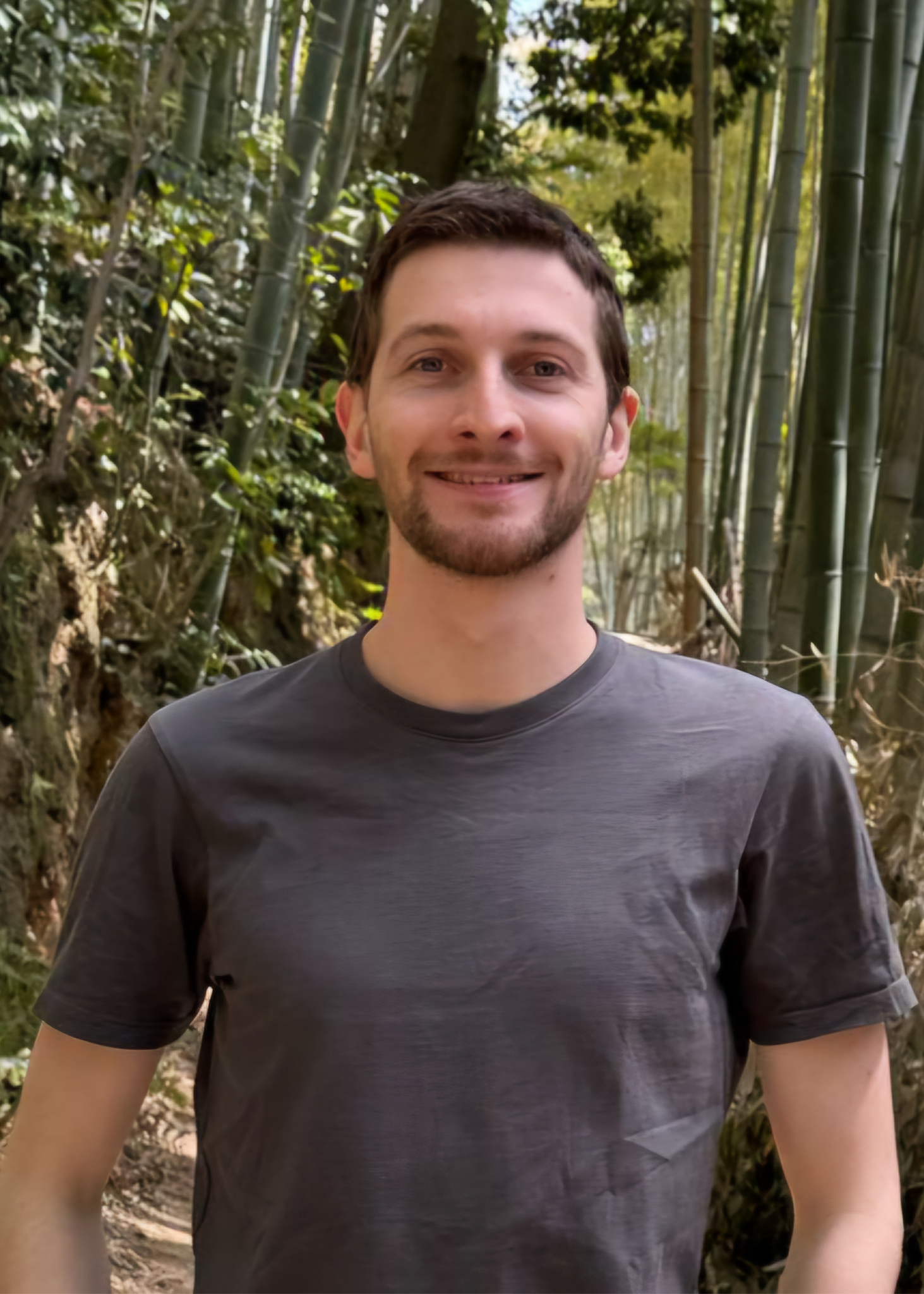
- Fellowship years: 2025-2027
- Academic Institution: Carleton University
- Academic Supervisors: Dr. Vivian Nguyen and Dr. Steven Cooke
- Project Title: Improving Animal Use in Canadian Wildlife Research, with Emphasis on Empirical Evidence, Ethics Guidelines, and Relationships Between Knowledge Producers and Users
Dr. Connor Reid’s MSc and PhD research focused on fish stress and welfare under chemical anesthesia and electrical immobilization. His current work expands into evidence synthesis, human dimensions of wildlife research, knowledge generation, translation barriers, and research ethics, with a broader interest in natural history and conservation.
His fellowship involves two streams to advance Canadian wildlife science:
1. Human dimensions – exploring perspectives of key stakeholders, identifying barriers to knowledge translation, and proposing collaborative opportunities between researchers and animal care committees to enhance reproducibility and the robustness of study designs.
2. Evidence mapping – assessing and quantifying the existing evidence within select CCAC wildlife and fish guidelines to inform the implementation of the Three Rs, enhance experimental design, and reduce unnecessary animal use.
These efforts will inform CCAC guidelines, improve transparency, and support high-quality, ethical wildlife research.
Mr. Michael Teng

- Fellowship years: 2025-2027
- Academic Institution: University of Calgary, Department of Veterinary Medical Sciences
- Academic Supervisor: Dr. Daniel Pang
- Project Title: Common Animal Welfare Assessment Methods: An Umbrella Review of Animal Welfare Assessment and Scoping Review of Animal Welfare Tools and Protocols
Mr. Michael Teng’s interest in animal welfare began during his undergraduate studies at the University of British Columbia. During his practicum at the British Columbia Society for the Prevention of Cruelty to Animals, he helped develop species-specific welfare assessment sheets and an enrichment manual for shelter animals. He is now pursuing a PhD in this area and serves as a graduate student representative on his university’s veterinary sciences animal care committee.
His research project aims to ensure CCAC standards lead to measurable improvements in animal welfare. It focuses on creating a scientifically grounded framework to assess and benchmark welfare across Canadian institutions, identifying which indicators to collect, how to measure them, and for which species. The resulting benchmarking program will help evaluate guideline effectiveness, support continuous improvement, and strengthen accountability, all while minimizing administrative burden.